
Mini Cart
Loading cart...
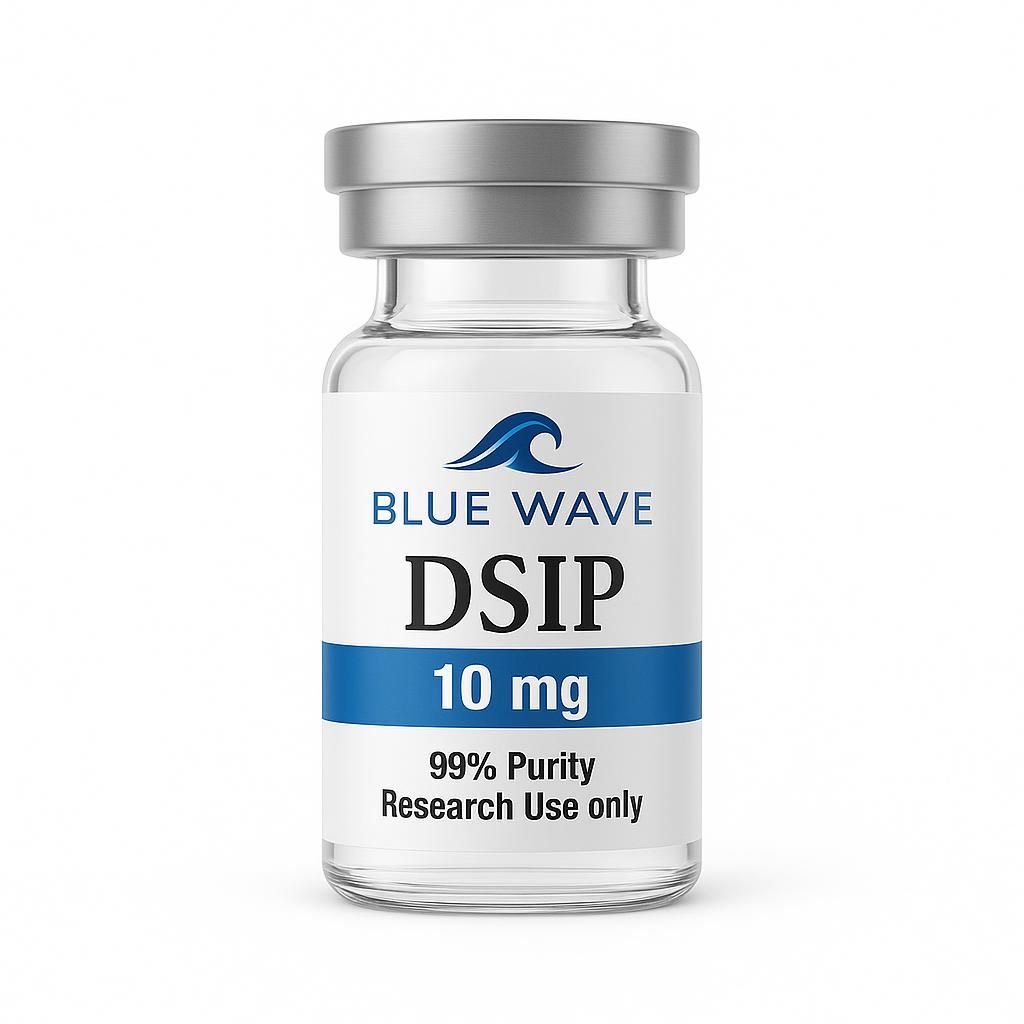
DSIP 10mg Delta Sleep-Inducing Peptide
DSIP (Delta Sleep-Inducing Peptide) is a naturally occurring neuropeptide first identified in the 1970s. It is a small nonapeptide studied for its potential to promote deep, restorative delta-wave (slow-wave) sleep and normalize sleep architecture without acting as a traditional sedative.
Research on DSIP has shown it may influence sleep patterns, stress response, and related physiological processes. In human studies with chronic insomniacs, DSIP administration was associated with:
Animal and additional human studies suggest DSIP may help modulate the HPA axis (reducing stress-related cortisol activity), support pain threshold, and exhibit neuroprotective properties in certain models. Effects appear to be circadian-dependent and may involve interactions with GABA, glutamate, and other neurotransmitter systems.
Note: Research results have been mixed, with some studies showing modest benefits and others limited or inconsistent effects. More research is needed to fully understand its mechanisms and applications.
Potential Research Areas
Detailed information on DSIP 10 mg is coming soon. Contact our team if you have questions before ordering.