
Research quality guide
Peptide Handling: A Research Recordkeeping Guide
A practical receiving and recordkeeping workflow helps researchers preserve the details that make a material review useful, without turning general handling advice into a claim about every peptide.
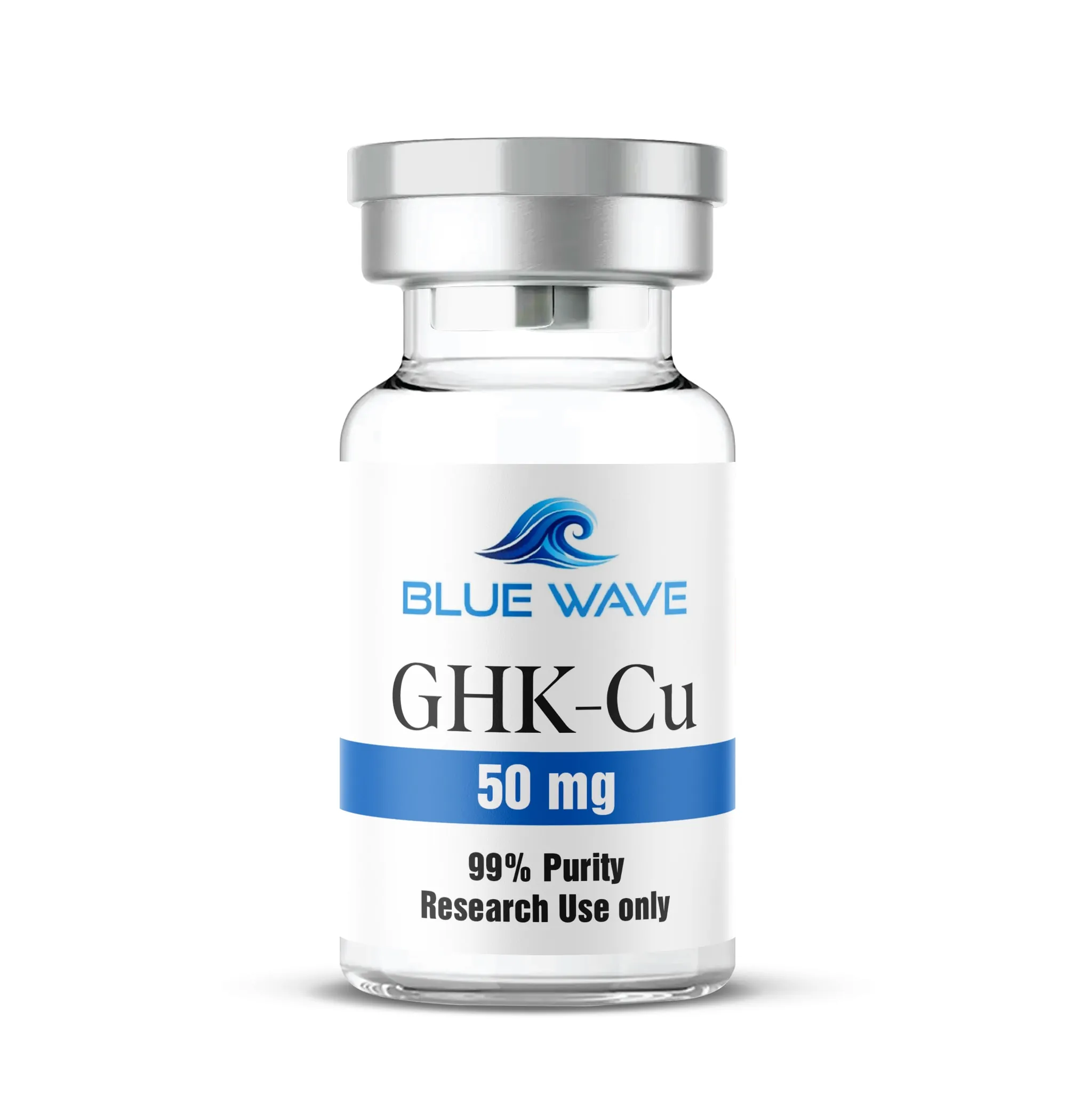
Peptide handling is more than moving a vial from delivery to storage. Each handoff creates an opportunity to preserve, or lose, the facts that make later review possible. A useful workflow links the received material to its identifier, available documentation, observed condition, storage record, and the laboratory’s own approved procedures. It does not promise an outcome for an experiment. It makes the material history easier to understand when an experiment raises a question.
The details matter because peptides do not all behave the same way. Sequence, format, formulation, container, temperature exposure, moisture, light, and the intended assay can change what a laboratory needs to consider. General guidance is valuable for spotting control points, but it is not a substitute for a product-specific record. Blue Wave materials are intended for laboratory, research, and analytical use only, not for human or veterinary use.
Start with a receiving record
The first handling step is an information check. Compare the package, vial label, order record, and any available certificate or product document. Capture the material name, lot or batch identifier, format, receipt date, visible package condition, and the location where the material will be held. This is a small amount of information, but it prevents a common problem: trying to reconstruct a material’s history later from a product name alone.
Do not treat an unfamiliar label, damaged package, or missing batch reference as a detail to resolve after the material is used. Record what was observed and ask a focused question while the shipment and documents are still easy to trace. A strong receiving record does not establish identity, purity, or stability by itself. It gives those separate records a reliable material reference.
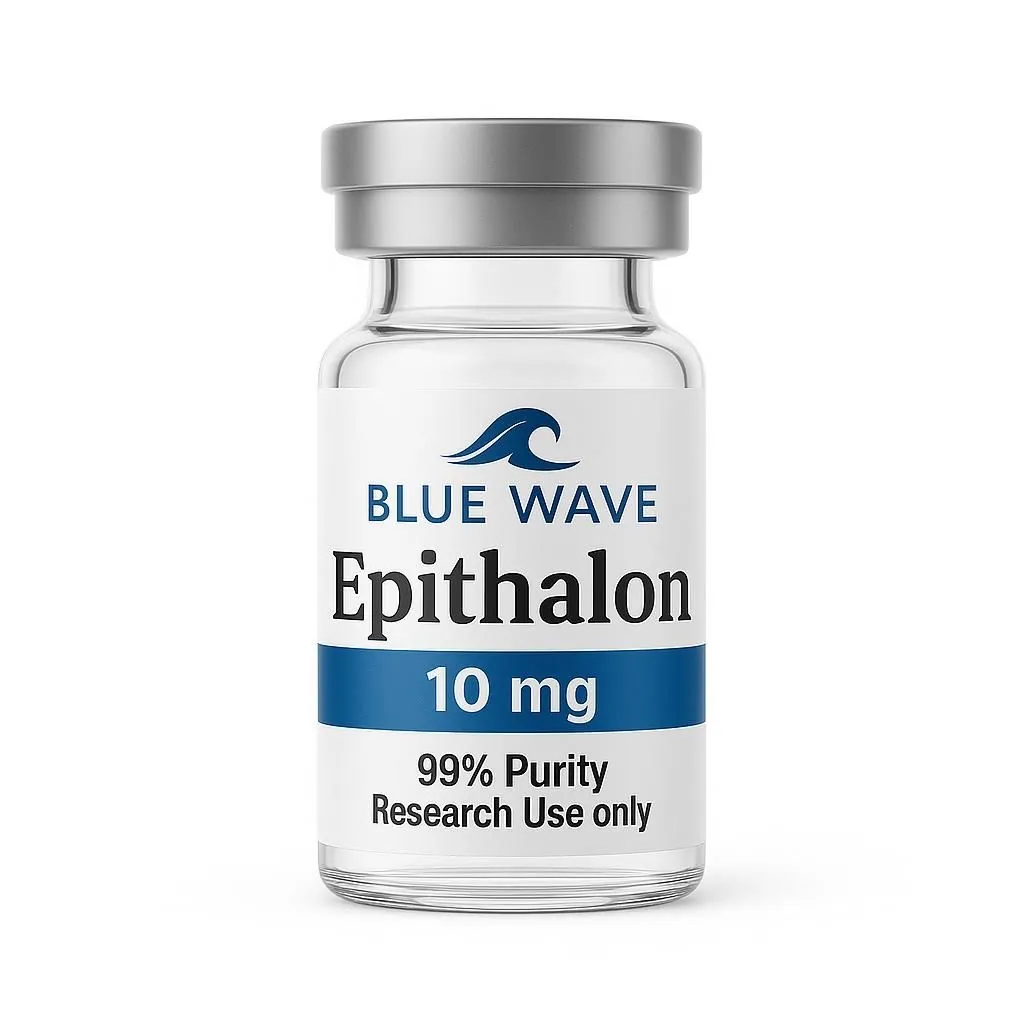
The FDA’s data integrity guidance describes reliable records as complete, consistent, accurate, attributable, legible, and recorded at the time of the activity. A laboratory research workflow is not made compliant simply by copying that language. The useful principle is narrower: record the material and event while the connection is clear, not after memory has filled in gaps.
Protect the material state before opening
For lyophilized material, moisture control is often a practical concern. A cold vial opened immediately in a warmer room can be exposed to condensation from the surrounding air. Guidance from Bachem’s peptide handling reference notes that lyophilized material should be allowed to reach ambient temperature in a desiccator before opening because peptides can be hygroscopic. The applicable instruction for an exact material still comes from that material’s supplier documentation.
This is not a reason to invent a universal waiting time or storage condition. It is a prompt to plan the sequence. Retrieve only the material that is needed, keep the container sealed until the documented handling condition is reached, work deliberately, and reseal it promptly. The objective is to reduce uncontrolled exposure, not to make a generic rule sound like a product guarantee.
Handling also changes when a material moves from a dry vial to a prepared solution. A storage statement for the supplied format may not answer questions about a working solution, a new container, or an assay-specific dilution. The peptide solubility guide explains why solvent choice and sequence context need their own review. Keep those decisions connected to the laboratory’s procedure rather than treating a broad web recommendation as a complete method.
Keep exposure and container choices visible
Several handling risks are easy to overlook because they are ordinary. Repeated opening can increase exposure to air and moisture. Repeated freezing and thawing can add variability. Light sensitivity, sequence-specific reactivity, and adsorption to a container can matter for some materials and some analytical concentrations. None of these possibilities proves that a particular sample has changed. They identify the questions worth controlling and documenting.
Supplier guidance consistently treats the exact peptide and intended use as the deciding context. For example, GenScript’s peptide guidance distinguishes dry and solution storage, warns against repeated freeze-thaw cycles, and notes that some amino-acid residues can be more sensitive to oxidation or moisture. A responsible review does not copy these recommendations into every material record. It checks whether the supplied document, assay plan, and actual handling history support the decision at hand.
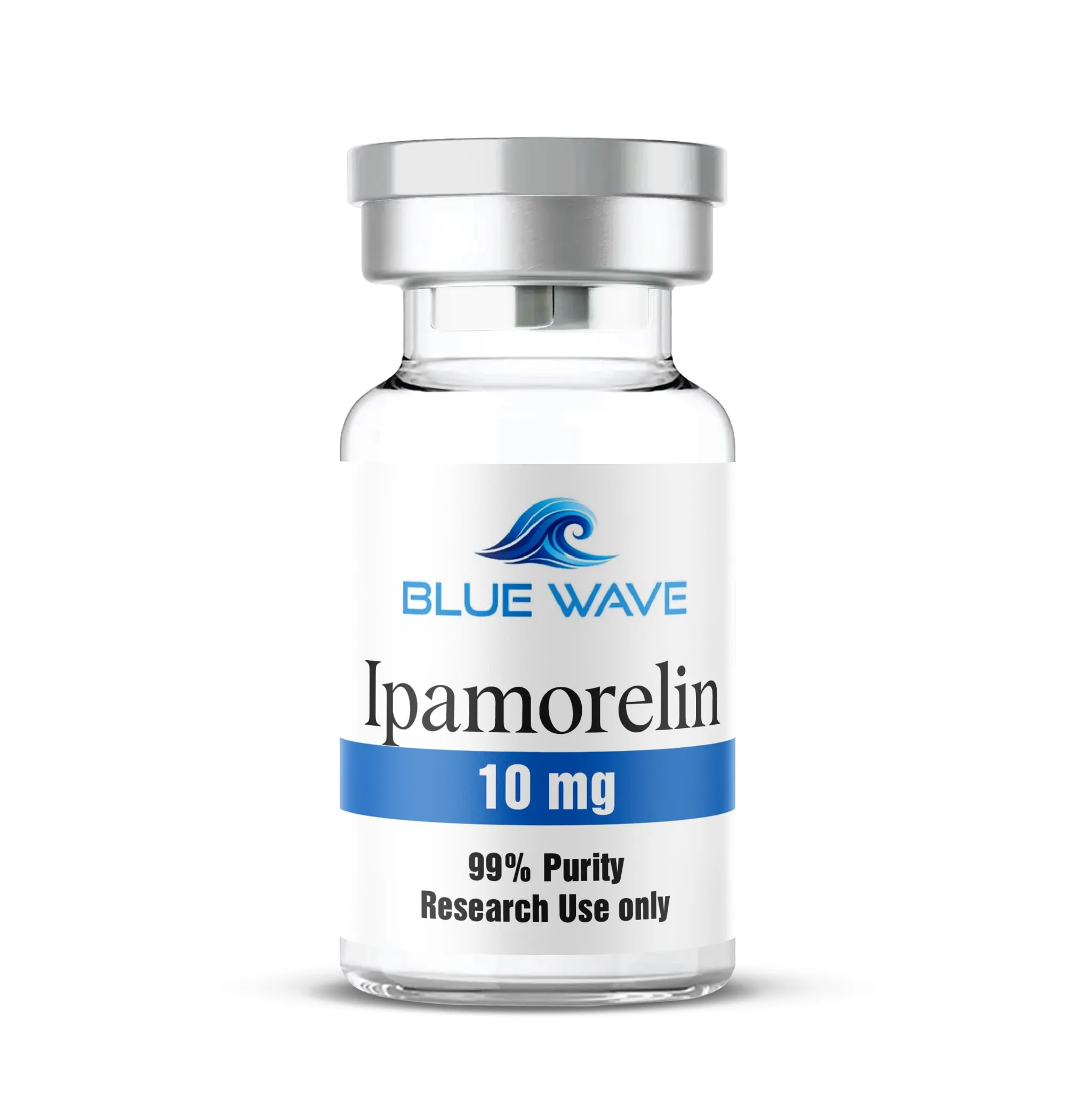
When the laboratory uses aliquots or transfers material to another container, record the action and preserve the link to the original lot or batch. A short entry that identifies the date, material reference, and action is more useful than an elaborate note that omits the vial’s identifier. The record should make a later question easier to answer: which material was handled, what happened to it, and which supporting information applied?
Separate what you observed from what a report proves
A sealed vial, an orderly storage location, and a careful log are meaningful observations. They are not analytical proof of a material’s identity, purity, concentration, or stability. Those questions need the right evidence for the question, such as a batch-specific certificate, a defined analytical method, or study controls. Keeping this distinction clear helps researchers avoid asking a handling log to do the job of a test report.
The same restraint applies in the other direction. A certificate of analysis is not a complete handling history after a material leaves the supplier. Blue Wave’s guide to reading a peptide COA explains how to review batch matching, method context, and report limits. Pair that document review with a simple receiving and storage record, and the team has a more useful starting point than either source can provide alone.
If an observation conflicts with a record, do not force them to agree. Note the discrepancy, preserve the original information, and request clarification. A clear open question is better than an untraceable assumption. This approach also keeps a laboratory’s decisions proportional. Some work requires a brief documented review; other work needs formal procedures and controls. The page cannot prescribe that boundary, but it can make the decision points visible.
It also helps to decide in advance what will count as a meaningful event. A routine retrieval from a documented location may not need a separate narrative. A broken seal, unclear storage excursion, relabeling event, or transfer to a new container is different because it changes the evidence available for later review. The point is not to make every handling action burdensome. It is to keep the material’s identity and condition from becoming ambiguous at the moments when ambiguity would affect the next decision.
Where more than one person works with the same material, use the same identifier everywhere it matters. The label, receiving entry, storage location, analytical record, and follow-up message should all point to the same batch or lot when that information is available. This makes a simple handoff more dependable. Someone who did not receive the package can still see which material is being discussed and which document belongs with it. A consistent identifier is often more valuable than a long generic note because it connects the record back to an actual vial.
Use a short, repeatable handling checklist
- Match the material. Confirm the product name, format, and lot or batch identifier against the vial and supplied record.
- Inspect at receipt. Record the delivery date, visible package condition, and any question that needs clarification.
- Read the product-specific instruction. Keep dry-material, prepared-solution, and short-term handling directions distinct.
- Control the opening sequence. Keep containers sealed until the documented handling condition is reached, then reseal promptly.
- Record meaningful events. Note transfers, aliquoting, storage moves, or other actions that affect the material’s history.
- Keep evidence in its lane. Use handling records for events, analytical records for results, and laboratory controls for study decisions.
- Ask before assuming. When the label, record, or observed condition does not connect clearly, request clarification before proceeding.
A repeatable checklist is not bureaucracy for its own sake. It gives multiple people a shared way to preserve the facts that matter. The best version is concise enough to be used consistently and specific enough to point back to the actual material.
How Blue Wave supports a documentation-first review
Blue Wave puts product information and available documentation close to the point where researchers compare materials. Researchers can browse the compound catalog, locate available records in the lab reports library, and use the contact page when a product detail or available record needs clarification.
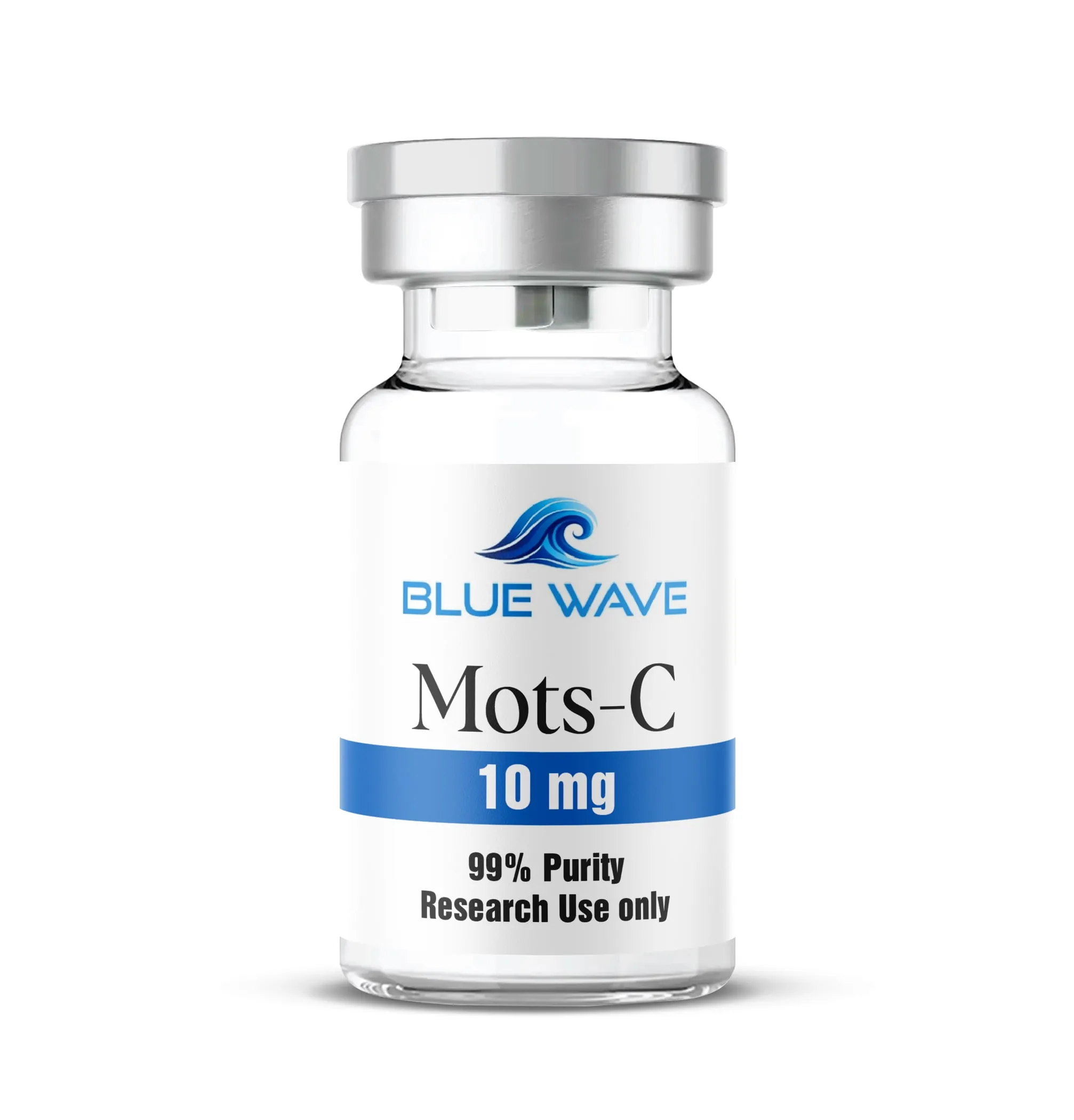
That path supports a careful first review, not an assumption that a general article can answer every laboratory question. For related checks, see the peptide stability testing guide and the Research Quality collection.
Frequently asked questions
What should be recorded when a research peptide arrives?
Record the product name, lot or batch identifier, receipt date, observed package condition, storage location, and the supporting document reviewed. Those details keep a later question connected to the actual material rather than a generic description.
Why should a cold vial stay sealed until it reaches the handling environment?
Opening a cold container can expose the material to condensation from ambient air. Allowing a sealed vial to equilibrate before opening is a practical moisture-control step, but the exact handling approach should follow the supplier’s documentation and the laboratory’s own procedures.
Does careful handling prove that a peptide is suitable for a study?
No. Careful handling preserves a useful record of what happened to a material. Suitability also depends on the product identity, available analytical information, stated conditions, and the study’s own controls.
What should a researcher do when a product record and vial label do not match?
Pause the review and ask the supplier for clarification. A product name, format, lot or batch reference, and supporting document should connect clearly before the material is treated as adequately documented.
Related posts
Continue your documentation review.

Research quality
How to Read a Peptide COA: A Researcher's Guide
A practical guide to checking identity, purity, batch traceability, and the limits of a peptide certificate of analysis.
Read the guide →
Research quality
Peptide Stability Testing: What Researchers Should Check
How to review peptide stability testing, storage conditions, timepoints, methods, and batch-specific records for laboratory work.
Read the guide →